Quick Answer
Hormone treatment blood tests help your provider monitor how your body is responding to therapy, confirm your levels are in a therapeutic range, and adjust dosages when needed. Follow-up labs are especially important because hormone levels can shift with medication changes, stress, diet, and other factors.
Why Follow-Up Hormone Blood Work Matters
Hormones don't operate in isolation. Adjusting one level often affects others, and the body's response to treatment can change over time. That's why hormone replacement therapy monitoring involves periodic lab work rather than a single baseline test.
Follow-up hormone blood work helps your provider confirm that your levels are within a therapeutic range, not too high and not too low. It also reveals whether the treatment is producing the intended clinical effect or whether a dosage change is needed.
According to the National Institutes of Health (NIH), regular monitoring during hormone therapy reduces the risk of side effects and helps providers personalize treatment more effectively. This is true whether you're on bioidentical hormone therapy, synthetic hormones, or thyroid medication.
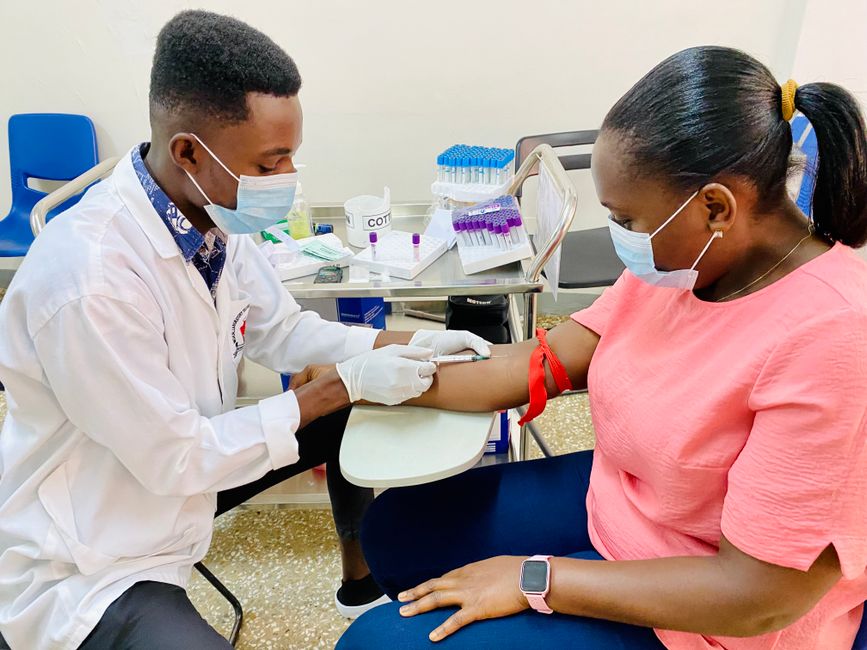
Common Hormone Treatment Blood Tests Your Provider May Order
The specific tests included in your follow-up labs depend entirely on your treatment plan and clinical needs. Your treating provider selects the tests based on your diagnosis, the hormones being managed, and how far along you are in treatment. Below are some of the most commonly ordered panels.
- Thyroid Function Tests: For patients on thyroid medication, providers frequently order a thyroid panel that includes TSH, free T3, and free T4. Some providers also request thyroid antibody tests, particularly if autoimmune thyroid disease is part of the picture. The American Thyroid Association recommends rechecking thyroid levels approximately six to eight weeks after any dosage adjustment.
- Testosterone Level Blood Test: Men and women on testosterone replacement therapy typically need periodic testosterone level blood tests. Providers may also monitor hematocrit, PSA (in men), and estradiol to ensure safe, balanced treatment. Testosterone replacement monitoring usually involves labs every three to six months during the first year, then at intervals your provider determines.
- Estrogen and Progesterone Level Testing: Women going through menopause or receiving HRT often need estrogen blood tests and progesterone level testing to verify that supplementation is effective. These labs help providers assess symptom relief and adjust therapy to minimize risks.
- Cortisol and Adrenal Hormone Testing: If your provider is evaluating adrenal function, a cortisol levels test or a broader adrenal hormone panel may be ordered. These tests can help identify whether stress-related hormonal imbalances are contributing to fatigue, weight changes, or mood disruption.
- FSH, LH, and Comprehensive Hormone Panels: For patients with complex hormonal concerns, providers may order an FSH LH blood test or a comprehensive hormone panel that evaluates multiple markers at once. These broader panels give a more complete picture of endocrine health and help guide treatment decisions.
How Often Are Blood Tests for Hormone Treatment Needed?
There is no universal schedule for hormone level testing. Your provider sets the timeline based on your specific situation. That said, some general patterns are common.
During the early stages of hormone therapy, labs are usually ordered more frequently, often every four to eight weeks, to fine-tune dosages. Once your levels stabilize, your provider may space testing out to every three, six, or twelve months.
Certain events can trigger additional testing outside the normal schedule. Starting a new medication, changing a dose, experiencing new symptoms, or going through a major life change like surgery or significant stress may all prompt your provider to recheck your hormone levels.
The key takeaway is that your provider drives the testing schedule. If you're unsure when your next labs are due, reach out to their office for guidance.
What to Expect When Getting Hormone Blood Work Done
Preparing for follow-up labs is usually straightforward, but there are a few things worth knowing.
Many hormone tests require a morning blood draw because hormone levels fluctuate throughout the day. Testosterone, cortisol, and thyroid hormones are often highest in the early morning, so drawing blood at a consistent time improves the accuracy of comparisons between visits.
Your provider may ask you to fast before certain panels or to time your blood draw relative to when you take your medication. Always follow your provider's specific instructions, as these details affect the reliability of your results.
Turnaround times for hormone panels vary depending on the tests ordered. Some results are available within a day or two, while specialized panels may take longer. Your provider's office will let you know when to expect results and will review them with you.
Where to Get Hormone Treatment Blood Tests Near Trinity and New Port Richey
Sunshine Clinical Lab is conveniently located in Trinity, Florida, and serves patients throughout the surrounding area, including New Port Richey. We process lab orders from functional medicine providers, endocrinologists, primary care physicians, and other treating clinicians.
We understand that getting to a lab isn't always easy, especially if you're managing symptoms like fatigue or chronic pain. That's why we offer home blood draw services for patients who prefer the convenience of having their blood drawn at home. Home-draw availability and any associated fees should be confirmed when you schedule your appointment.
Sunshine Clinical Lab accepts insurance and offers self-pay options. Because coverage varies by plan and test, we recommend verifying your insurance details before your visit so there are no surprises.
Tips for Getting the Most Out of Your Hormone Monitoring Labs
A few simple steps can help ensure your follow-up blood work is as accurate and useful as possible.
Hormonal health screening is not a one-time event. It's an ongoing partnership between you and your provider, supported by reliable, timely lab work.
Follow-up blood work is a critical part of any hormone treatment plan. It gives your provider the data they need to keep your therapy safe and effective, and it gives you the confidence that your treatment is actually working.
Whether your provider has ordered a thyroid panel, testosterone monitoring, or a comprehensive hormone panel, Sunshine Clinical Lab makes it simple to get your labs completed. Visit us at our Trinity location, or ask about our home blood draw service if getting to the lab is difficult.
To schedule your appointment or ask questions about test availability and payment options, call us at (727) 233-5223. Bring your provider's lab order, and we'll take care of the rest.
- Follow your provider's fasting and medication-timing instructions exactly.
- Schedule your blood draw in the morning when possible, especially for testosterone or cortisol testing.
- Keep a record of your symptoms between lab visits so your provider can correlate how you feel with what the numbers show.
- Don't skip scheduled labs, even if you're feeling well. Stable symptoms don't always mean stable levels.
- Ask your provider to explain your results. Understanding your own thyroid panel results, testosterone trends, or estrogen levels empowers you to participate in your care.
Frequently Asked Questions
How often do I need blood tests during hormone therapy?
Your provider sets the schedule, but labs are typically ordered every four to eight weeks early in treatment and less frequently once levels stabilize.
Do I need to fast before hormone blood work?
Some hormone tests require fasting or specific timing, so always follow the preparation instructions your treating provider gives you.
Can I get hormone blood tests done at home near Trinity, Florida?
Sunshine Clinical Lab offers home blood draw services in the Trinity area, though availability and fees should be confirmed when scheduling.
Questions?
Have a question about this article or your project? Our team is happy to help.
Get in Touch →On This Page


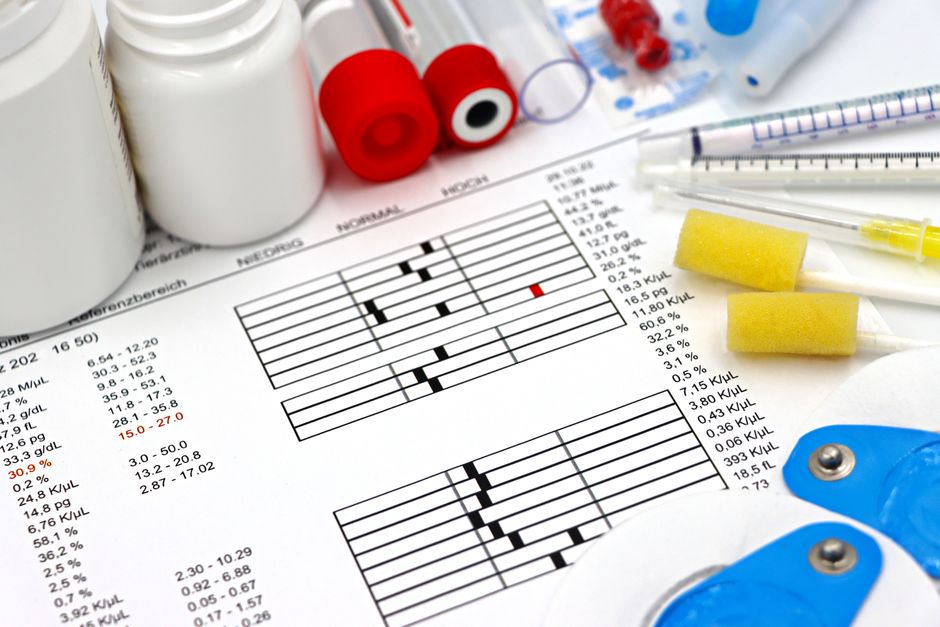
Local Care
Hormone Treatment Blood Testing for Trinity and New Port Richey Patients
Sunshine Clinical Lab is located in Trinity, Florida, and serves patients throughout the surrounding area, including New Port Richey. For nearby patients receiving hormone therapy, convenient access to follow-up lab work can help support ongoing monitoring ordered by functional medicine providers, endocrinologists, primary care physicians, and other treating clinicians.
Ready to Complete Your Follow-Up Hormone Labs?
Whether your provider has ordered a thyroid panel, testosterone monitoring, or a comprehensive hormone panel, Sunshine Clinical Lab makes it simple to get your labs completed. To schedule your appointment or ask questions about test availability and payment options, call us at (727) 233-5223 and bring your provider's lab order.